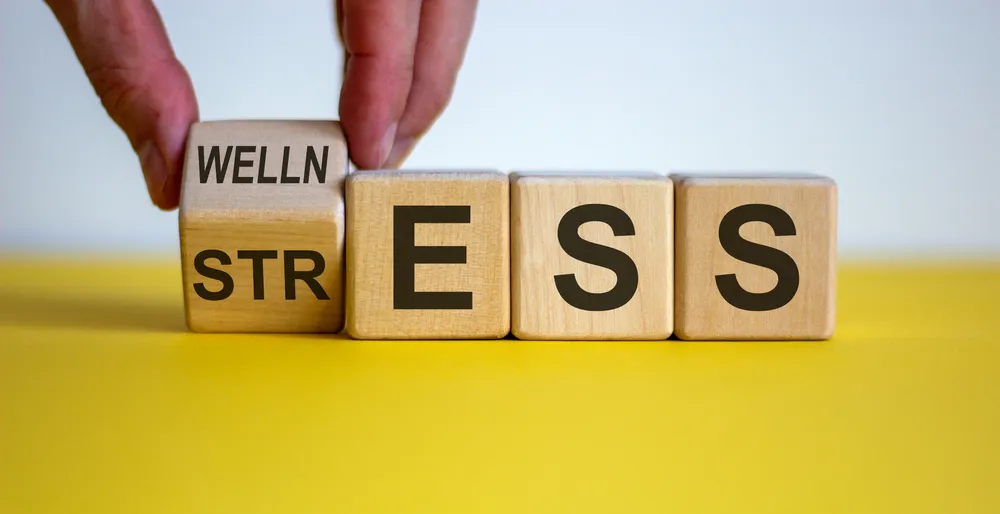
How Chronic Stress and Burnout Develop: Recognizing the Signs and Solutions
Stress can gradually progress into burnout when it becomes chronic and overwhelming, especially in the context of sustained high demands without sufficient resources for coping or recovery. When stressors are not adequately addressed or managed, they can accumulate and become increasingly difficult to cope with over time.
Chronic stress can deplete an individual’s physical, emotional, and cognitive resources, making it harder to effectively manage ongoing demands and stressors. Prolonged exposure to stress can exhaust an individual’s coping mechanisms, leaving them feeling overwhelmed, emotionally drained, and unable to cope effectively.
As stress continues unchecked, it can lead to the development of burnout symptoms, such as emotional exhaustion, cynicism, and a reduced sense of accomplishment.
Stress Management
Effective stress management serves as a cornerstone in the proactive prevention of burnout. It empowers individuals to navigate challenging circumstances with resilience, enabling them to sustain their well-being and momentum. Some stress management strategies for people living in Edmonton, Fort McMurray, Red Deer, Calgary, and Alberta include:
- Practice Deep Breathing: Take slow, deep breaths to activate the body’s relaxation response and reduce stress levels. Try techniques like diaphragmatic breathing or square breathing to calm your mind and body.
- Engage in Physical Activity: Regular exercise can help reduce stress hormones and increase the production of endorphins, the body’s natural mood lifters. Find physical activities you enjoy, whether it’s walking, yoga, dancing, or cycling, and incorporate them into your routine.
- Prioritize Self-Care: Make time for activities that nourish your body and soul, such as getting enough sleep, eating nutritious foods, spending time in nature, practicing mindfulness, or indulging in hobbies you love.
- Set Realistic Goals: Break down tasks into manageable steps and set realistic goals for yourself. Prioritize tasks based on importance and urgency, and don’t hesitate to delegate or ask for help when needed.
- Establish Boundaries: Learn to say no to tasks or commitments that overwhelm you or detract from your well-being. Set boundaries around your time, energy, and personal space to prevent burnout and maintain balance in your life.
- Practice Time Management: Use tools like to-do lists, calendars, or productivity apps to organize your tasks and schedule your time effectively. Prioritize high-value activities and allocate time for breaks and relaxation.
- Cultivate Supportive Relationships: Surround yourself with supportive friends, family members, or colleagues who can offer encouragement, empathy, and practical assistance during stressful times. Don’t hesitate to reach out for support when needed.
- Limit Exposure to Stressors: Identify sources of stress in your life and take steps to minimize or eliminate them where possible. This might involve setting boundaries with toxic relationships, limiting exposure to negative news or social media, or creating a peaceful environment at home or work.
- Practice Relaxation Techniques: Incorporate relaxation techniques into your daily routine to reduce tension and promote relaxation. Try techniques such as progressive muscle relaxation, guided imagery, or mindfulness meditation to calm your mind and body.
Seek Professional Help if Needed:
If stress becomes overwhelming or persistent, don’t hesitate to seek support from a therapist in Edmonton, Red Deer, Fort McMurray, or Calgary, Alberta. A psychologist in Edmonton, Red Deer, Fort McMurray, or Calgary, Alberta can provide strategies, tools, and resources to help you better manage stress and improve your overall well-being.
By incorporating these stress management strategies into their daily lives, burnout in nurses, burnout in healthcare professionals, burnout in teachers and educators, as well as burnout in other professions can be effectively managed.
Furthermore, interventions can be customized to address specific workplace stressors and individual needs that are crucial in providing evidence-based support for stress management and burnout syndrome.
Follow Us On Instagram