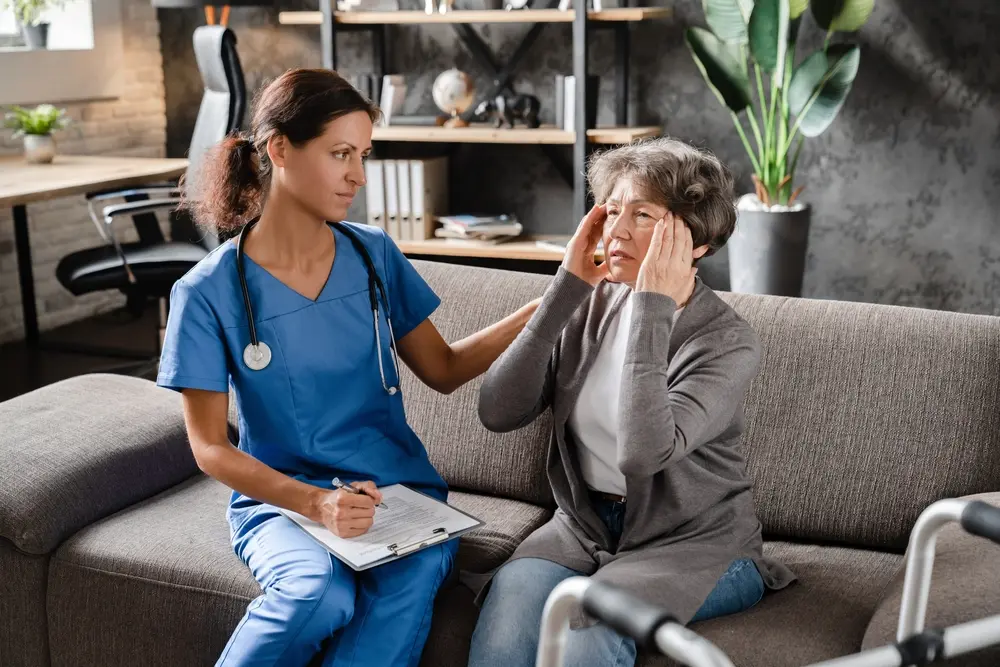

Burnout in nursing is a growing concern in the healthcare industry. Nurses are often on the frontlines of patient care, facing long hours, high stress, and emotional strain. This tough environment can cause both physical and mental fatigue. This impacts their health and their ability to give good care. Tackling burnout is essential. It supports individual well-being and ensures the healthcare system remains safe and effective.
In this blog, we will explore the causes, symptoms, and effective solutions for burnout, with a focus on burnout therapy and counseling.
What Is Burnout in Nursing?
Burnout refers to a state of emotional, physical, and mental exhaustion caused by prolonged and excessive stress in the workplace. Nurses, due to their demanding roles, are particularly susceptible to burnout. Their work environment often involves long shifts, emotionally challenging cases, and constant pressure to perform. Over time, this can lead to a diminished sense of accomplishment, fatigue, and a detachment from their work.
The Causes of Burnout in Nursing
Burnout can be triggered by several factors, including:
- Workload: Nurses often work long hours, sometimes with minimal breaks. High patient-to-nurse ratios and demanding schedules can contribute to exhaustion and stress.
- Emotional Strain: Nurses are often exposed to patients who are in critical conditions, suffering, or in pain. This can lead to emotional exhaustion as they deal with the physical and emotional needs of patients.
- Lack of Support: Insufficient support from colleagues and management can exacerbate stress. Without adequate resources or emotional backing, nurses may feel overwhelmed.
- Job Dissatisfaction: Low job satisfaction, limited career growth, or lack of recognition can contribute to feelings of frustration and burnout.
Recognizing the Symptoms of Burnout
The symptoms of burnout can manifest in various ways, both physically and emotionally. Common signs include:
- Chronic Fatigue: Persistent exhaustion, even after rest, is one of the most common signs of burnout.
- Emotional Detachment: Nurses may begin to feel disconnected from their patients and colleagues, leading to a lack of empathy.
- Increased Irritability: Frustration and irritability can arise from the constant pressure and emotional toll of the job.
- Sleep Disturbances: Difficulty sleeping or feeling unrefreshed after sleep is another common symptom.
- Physical Symptoms: Headaches, gastrointestinal problems, and muscle pain are often associated with burnout.
How Can Burnout Therapy Help?
Burnout therapy is designed to address the physical, emotional, and mental exhaustion caused by prolonged stress. It aims to help individuals understand the root causes of their burnout, manage their stress, and develop coping strategies for a healthier work-life balance.
The Role of Therapy in Burnout Recovery
Therapy for burnout is a crucial step in the recovery process. Professional therapists use a range of techniques to address the different aspects of burnout. These may include:
- Cognitive Behavioral Therapy (CBT): CBT helps individuals reframe negative thought patterns and develop healthier responses to stress.
- Mindfulness and Relaxation Techniques: These techniques focus on reducing anxiety and promoting relaxation to help individuals manage stress more effectively.
- Stress Management Strategies: Therapists teach practical tools for managing day-to-day stress, such as time management and setting healthy boundaries.
The Benefits of Burnout Counseling
Burnout counseling is specifically designed to support individuals experiencing burnout. It offers a safe space for nurses to discuss their challenges and gain emotional support. Through counseling, nurses can learn how to manage their stress, identify the underlying causes of their burnout, and build strategies for recovery.