
Job Burnout: How to Recognize and Prevent Workplace Stress
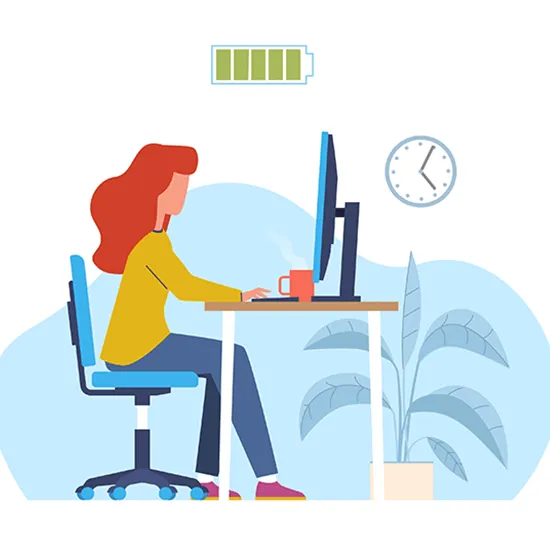
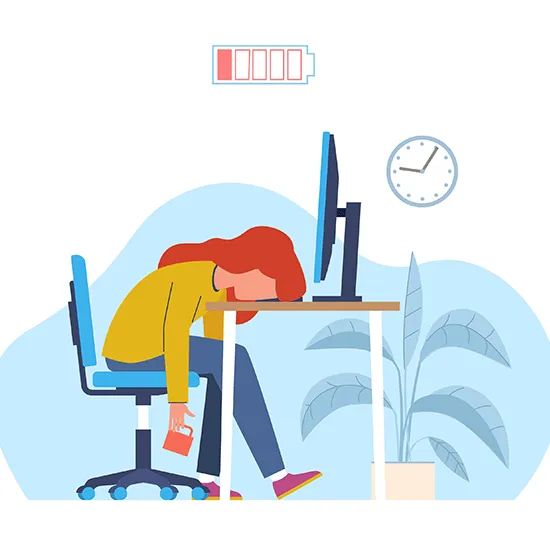
Is mental burnout actually a thing? Yes!… Burnout is an occupational syndrome where you just feel like you have nothing left to give. You are done, fed, up, checked out, and have felt this way for some time. You may experience symptoms of indifference, agitation, irritability, anger, anxiety, and depression.
Burnout is identified in the 11th edition of the International Classification of Diseases (ICD-11) as a specific occupational phenomenon. Initially recognized by Herbert Freudenberger, burnout can manifest in both mental and physical symptoms. It is classified as a syndrome, rather than a medical condition, that results from unrelenting and prolonged workplace stress.
The Emotional and Physical Toll of Burnout
Burnout leaves individuals in a state of emotional and physical distress, that can also lead to feelings of reduced personal and professional accomplishment an identity. Whatever the cause of the burnout, it significantly affect your mental health.
Burnout Beyond the Workplace
Most often, we think of burnout as a solely work-related syndrome. However, many people do not only experience burnout with work, but also with studying, parenting, COVID, or any sort of stressor that causes significant and prolonged emotional exhaustion.
The Impact of Burnout on Attitude and Relationships
This can result in attitude and mood changes, and often family members, friends, and individuals in your work environment may notice the shift. Burnout can result from high level demands, such as working overtime shifts in a healthcare setting, and result in ongoing feelings of overwhelm, feelings of hopelessness, cynicism, and general exhaustion.