
MISSION HILL PSYCHOLOGY LOGO

Guide to Stress Management Therapy: What, How & Why? 

“Even When It Is Not Fully Attained, We Become Better By Striving For A Higher Goal.”

– Viktor Frankl

stress management therapy

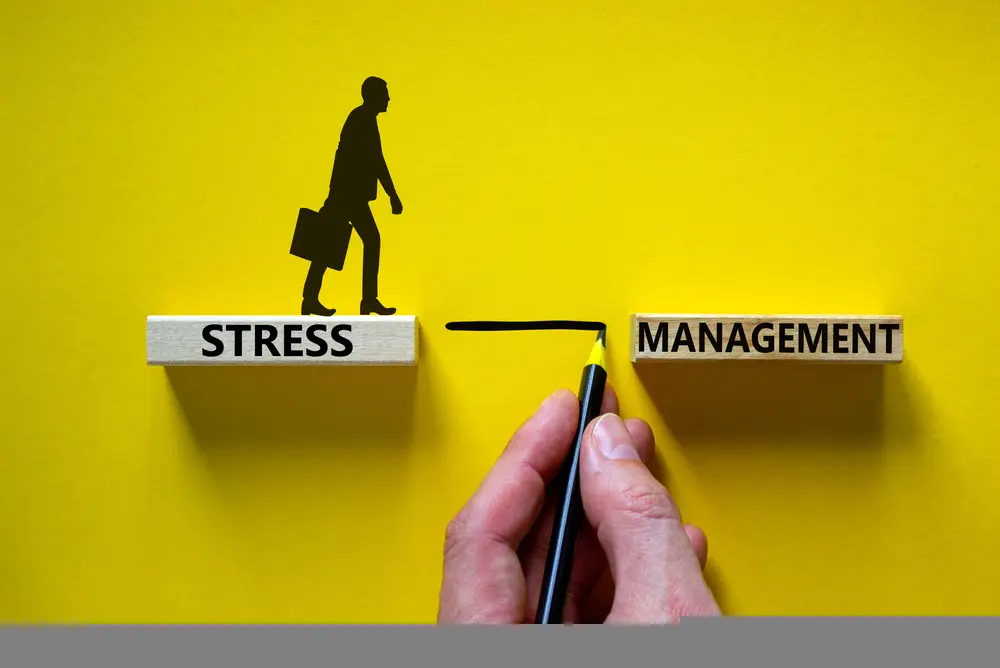
Stress is a big part of life today. Many people feel pressure from school, work, family, and other things they can’t control. When stress becomes too much, it can hurt mental and physical health. This is where stress management therapy comes in. This type of therapy helps people understand their stress and find ways to deal with it healthily. In this guide, we’ll explain what stress management is, why it’s useful, what methods it uses, and how it can help improve life. 

What Is Stress Management Therapy? 

Therapy for stress management is an approach that helps people handle stress better. It helps them figure out what makes them feel stressed and teaches them new ways to cope. Therapists may use different techniques, such as solution-focused and cognitive-behavioral therapy, to help their clients. Each person’s therapy is unique to their needs, making it effective and personal. 

Benefits of Stress Management Therapy 

Stress therapy has many positive effects. Here are some benefits that people can experience: 

  • Better Control Over Emotions: Therapy helps people learn how to handle strong emotions like anger, sadness, and frustration. 
  • Improved Ways of Coping: It teaches practical ways to handle tough situations without feeling overwhelmed. 
  • Stronger Relationships: By managing stress, people can communicate better and have healthier relationships with family, friends, and coworkers. 
  • More Confidence: Therapy can make people feel stronger and more prepared to face life’s challenges. 
  • Improved Physical Health: Managing stress can reduce physical symptoms like headaches, muscle tension, and sleep problems, helping people feel better overall. 

Techniques Used in Stress Management Therapy 

Therapists use different methods to help people manage stress. Some of the main techniques are: 

1. Cognitive Behavioral Techniques

Cognitive Behavioral Therapy (CBT) helps people recognize and change negative thoughts. Often, negative thinking adds to stress. CBT teaches people to replace these thoughts with positive and helpful ones, making it easier to handle challenges. 

2. Mindfulness and Relaxation Practices

Mindfulness means focusing on the present moment. This could include deep breathing, meditation, or other ways to relax. These techniques are useful in reducing stress because they help people focus on what’s happening now instead of worrying about the past or future. 

3. Lifestyle Changes

Making small changes in daily habits can also help lower stress. For example, exercising regularly, eating healthy foods, and getting enough sleep can all make a big difference. In therapy, people can talk about their daily habits and learn how to build a routine that reduces stress. 

chronic stress and burnout stress
stress management therapy near me

Why Choose Stress Management Counselling?

Stress management is helpful for anyone who feels overwhelmed by life’s challenges. It can be useful for people who: 

  • Are stressed out often and want help handling it. 
  • Experience anxiety or sadness because of stress. 
  • Want to be ready for future challenges. 
  • Need professional advice and support for dealing with stress. 

Therapists make a plan that fits each person’s needs, so they get the support that works best for them. 

Tips for Reducing Stress

If you want to reduce stress on your own, here are some easy tips that can help: 

  • Take Time for Self-Care: Doing things you enjoy, like reading, hobbies, or exercise, can help clear your mind. 
  • Set Boundaries: It’s okay to say no. Knowing your limits can help you avoid taking on too much. 
  • Stay Connected with Others: Talking to friends or family can make stressful times easier. Having support makes a difference. 
  • Practice Deep Breathing: Taking a few moments to breathe deeply can help you feel calmer and reduce immediate stress. Even a few minutes a day can make a difference. 
  • Organize Your Space: Keeping your surroundings tidy can help you feel more in control and less overwhelmed. Simple tasks like decluttering can reduce stress levels and boost focus. 

How Solution-Focused Therapy Help with Stress?

Solution-focused therapy helps people find quick answers to their problems. It focuses on what can be done now to improve the situation. People work with the therapist to come up with steps they can take right away. This method helps people feel in control and more relaxed since they’re focusing on solutions instead of the problem itself. 

Accessing Stress Management Therapy Online

Getting access to therapy for stress management has become easier with online mental health services. With virtual therapy, people can connect with a therapist from home or wherever they feel comfortable. Online therapy is flexible, and people can schedule sessions at times that work best for them. For those who feel nervous about in-person visits, online therapy is a great choice. 

Stress management is not just about talking; it’s about learning real ways to manage stress and feel better. At Mission Hill Psychology, therapists use different techniques and lifestyle changes, to help people improve how they handle life’s stresses. This therapy gives people the tools they need to build a better, balanced life. 

Share:

Facebook
Twitter
Pinterest
LinkedIn
our latest post
Get In Touch