

MISSION HILL PSYCHOLOGY LOGO

Women in Leadership

“Even When It Is Not Fully Attained, We Become Better By Striving For A Higher Goal.”

– Viktor Frankl

Best Burnout Counseling

The silent struggle with burnout syndrome

Challenges and Triumphs of Women in Leadership

As women in positions of leadership, we navigate a landscape fraught with expectations, responsibilities, and societal pressures, all while striving to maintain a delicate equilibrium between our personal and professional lives.

Burnout among female leaders is not merely a consequence of overwork or lack of resilience; it’s a multifaceted issue deeply rooted in systemic inequalities and cultural norms.

The Unique Challenges Faced by Women in Leadership

From the persistent gender pay gap to the pervasive expectation of perfection, women in leadership face unique challenges that can exacerbate feelings of stress, exhaustion, and disillusionment.

One of the fundamental challenges lies in reframing the narrative around success. Society often equates success with ceaseless hustle and unrelenting ambition. However, true success is not measured solely by professional achievements but by the ability to find balance, fulfillment, and well-being in both our personal and professional lives.

As leaders, we must challenge the status quo and redefine success on our own terms, prioritizing our mental, emotional, and physical health above all else.

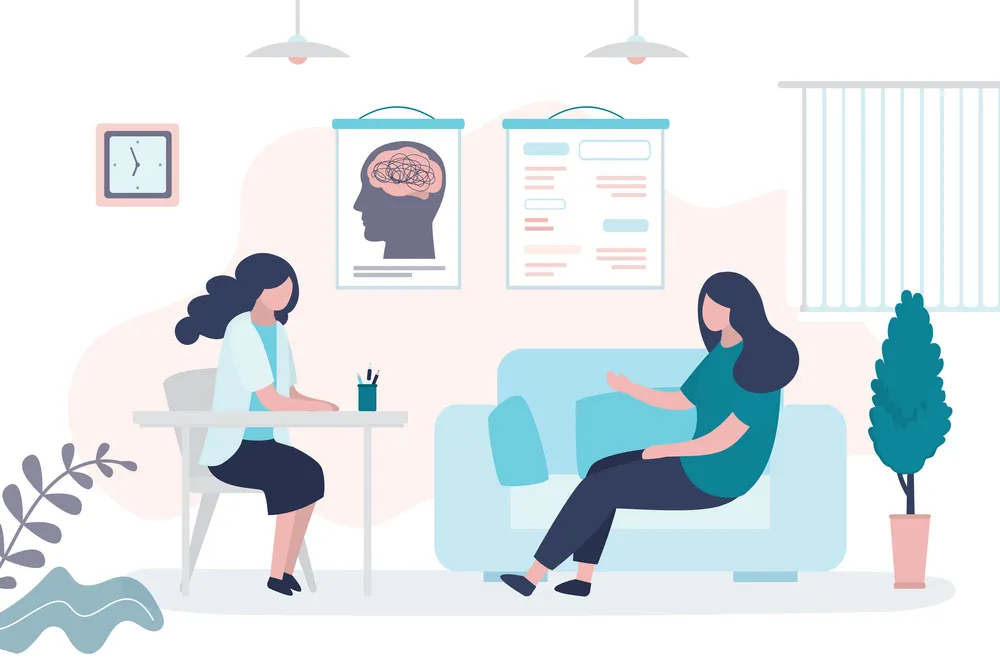
Women in Leadership
Triumphs Of Women In Leadership

The Stigma Surrounding Vulnerability and Self-Care

Moreover, the stigma surrounding vulnerability and self-care further compounds the issue.

Women in leadership positions are often expected to embody strength, resilience, and unwavering composure at all times. Yet, the reality is that we are human beings with limits, vulnerabilities, and needs. It’s imperative that we create spaces where vulnerability is not only accepted but embraced, where we can openly discuss our struggles without fear of judgment or repercussion.

Embracing Vulnerability: Creating Safe Spaces for Authentic Leadership

Additionally, the importance of fostering supportive networks cannot be overstated. As leaders, we need allies—peers, mentors, and advocates—who understand the unique challenges we face and can offer guidance, empathy, and solidarity. By cultivating these networks of support, we not only alleviate the burden of isolation but also create a sense of community and belonging that is essential for our well-being.

The Power of Supportive Networks: Alleviating Isolation and Fostering Community

Furthermore, advocating for systemic change is paramount. From implementing policies that support work-life balance to challenging gender biases and promoting diversity and inclusion, we have the power to effect meaningful change within our organizations and communities. By dismantling the structural barriers that perpetuate burnout and inequality, we pave the way for a more equitable and sustainable future for all.

Advocating for Systemic Change: Dismantling Barriers to Equity and Well-Being

In conclusion, the reality of female burnout in leadership is a complex and nuanced issue that demands our attention, empathy, and action. By acknowledging the challenges we face, reframing the narrative around success, fostering supportive networks, and advocating for systemic change, we can create a world where women in leadership not only survive but thrive.

Follow Us On Instagram

Picture of Dr. Maria Farrell

Dr. Maria Farrell

Dr. Maria Farrell is a Registered Psychologist in Alberta and British Columbia who specializes in burnout syndrome , chronic stress , anxiety , depression , and trauma . She provides evidence-based therapy for professionals and adults who want sustainable change not just short-term coping.

Share:

Facebook
Twitter
Pinterest
LinkedIn
our latest post
Get In Touch